


Newcastle-Under-Lyme's Grassland Management Strategy: A Smarter, Sustainable Approach

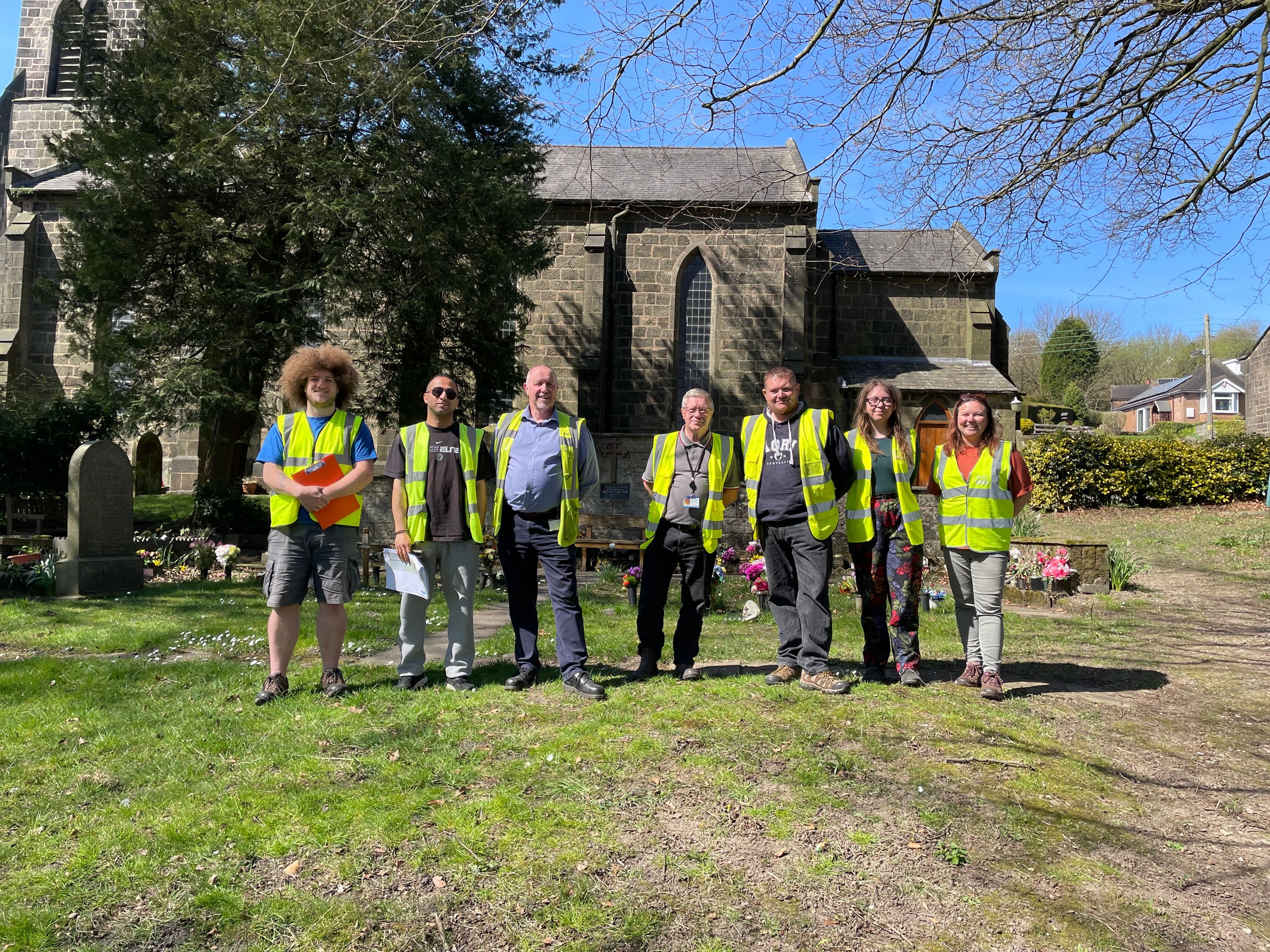
Newcastle-under-Lyme Borough Council outlines how they are protecting the local natural environment through their Grassland Management Strategy and Plan
The Grassland Management Strategy & Plan aims to increase local biodiversity and societal mental health and wellbeing through the recovery of natural habitats like grasslands, whilst also allowing us to focus on priority developments around the borough.
By growing long meadows in green spaces around the borough we can increase:
- wildlife and pollinator species
- social wellbeing and natural awareness
- the borough’s resilience against climate change
- the sequestration (removal or separation) and storage of carbon
Grasslands and their potential benefits
An assessment of the first 60 hectares of long meadows across 18 sites in the Borough showed positive outcomes, including significant carbon sequestration (3,000 tCO₂e), high levels of resident and visitor engagement (over 90% positive feedback), and improved Council capacity, with savings of several thousand pounds redirected to other priority services.
Since the adoption of Phase 2 by the Council in January 2025, phase 3 has been continued with a couple hundred of hectares of long meadows being facilitated throughout the Borough (Since April 2025). Many of these sites are parks or small green spaces, however, the Council also identified sites of bereavement as a significant opportunity for long grass as well.
Working in Collaboration
Newcastle-under-Lyme Borough Council and Keele University came together to study the natural impacts of long grassland on 11 sites of bereavement including cemeteries and churchyards. The Council also ran a social survey to study and understand the perceptions of grasslands on bereavement sites from visitors.
Data collection by Keele University began during the growing season in May, concluding in June and conducting their analysis into early 2026. Overall, reduced mowing on the 11 sites of bereavement studied enhanced pollinator communities by increasing abundance and, in most cases, richness. It is important to note that pollinator responses vary by taxonomic group with Bees, Hoverflies, and Lepidoptera generally benefitting, and Beetles and Wasps showing mixed/ contrasting responses.
The data helps to show that longer intervals between mowing and higher floral richness improve pollinator diversity and abundance. Alongside the Keele University Research Study, NuLBC conducted an online survey to understand visitor perceptions of long grass on sites of bereavement.
Not only did the survey find mostly positive engagements on these meadows in bereavement sites, but also found positive perceptions of the change in maintenance for the local environment.
It was found that visitors to sites of bereavement in Newcastle-under-Lyme:
- Valued natural beauty, bird songs and maintained graves the most.
- Mostly found long grass as a positive for these sites.
- Cared greatly for the local wildlife of these sites.
Promoting excellence in public services
APSE (Association for Public Service Excellence) is a not for profit unincorporated association working with over 300 councils throughout the UK. Promoting excellence in public services, APSE is the foremost specialist in local authority frontline services, hosting a network for frontline service providers in areas such as waste and refuse collection, parks and environmental services, cemeteries and crematorium, environmental health, leisure, school meals, cleaning, housing and building maintenance.
.png)


.png)


