


Bedford Borough's recipe for the introduction of food waste collections: Engaging our community through Simpler Recycling communications

When we began preparing for the roll-out of weekly food waste collections, we knew it was about more than new bins and collection days. It was about helping residents make a meaningful change to how they manage waste, and inspiring them to see that small actions can make a big difference.
Our goal went beyond increasing recycling rates. We also wanted to raise awareness of how to reduce food waste in the first place and show residents the real-life benefits of doing so. Some of the strongest traction points in our messaging focused on saving money, protecting the environment, and building the sense that recycling food waste is simply the new norm. We also wanted to communicate that, in the longer term, reducing food waste can help save costs for the council, ultimately benefiting all residents.
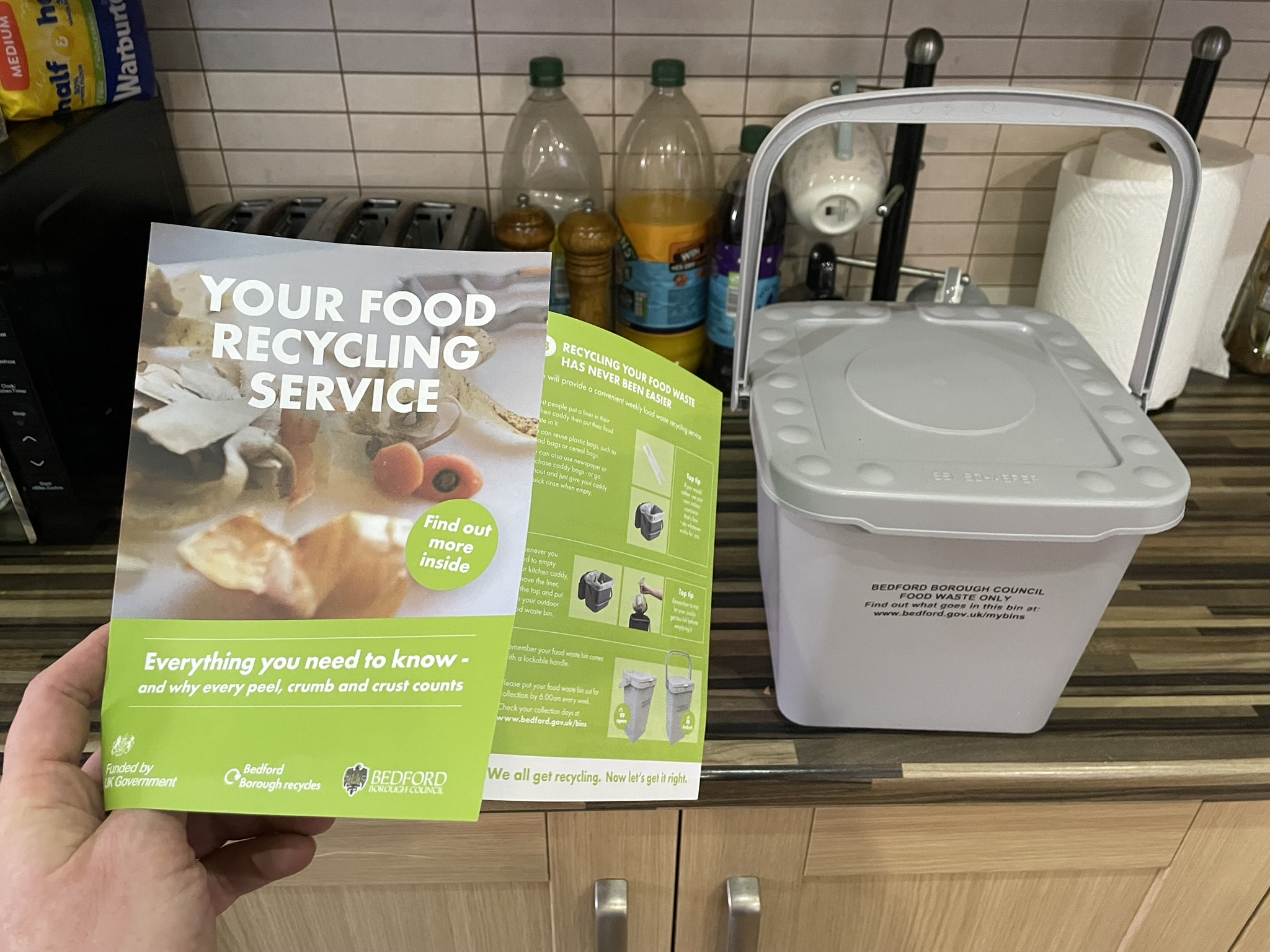
To cut through the noise, we took a multi-channel approach, using social media, email bulletins, printed leaflets, posters, and community outreach to ensure the message reached people wherever they were.
Understanding our audience
Food waste is fundamentally a behavioural issue. Residents understood food waste was a problem but didn’t always connect it to their own habits. We built our messaging on these insights, tailoring it to different motivations, for example, showing families how reducing waste saves money on the weekly shop, or highlighting environmental benefits for those motivated by sustainability.
We also built our content around moments that were already in the public eye. We aligned with Love Food Hate Waste’s national Food Action Week, tapping into their established themes and amplifying them with local stories and voices. This gave us extra momentum and a ready-made conversation to join.
Making it real on social media
Social media became one of our most powerful tools for sparking interest and starting conversations. We created a series of short, visual campaigns across Facebook, Instagram, LinkedIn, WhatsApp and X, sharing practical tips, “did you know?” facts, and visuals that reminded people food recycling could be easy and worthwhile. We engaged when people commented and built conversations.
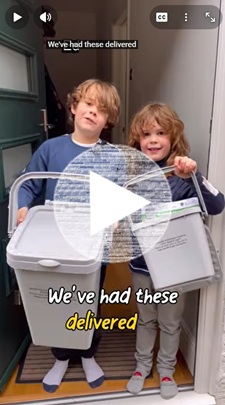
We also used Reels to make more personal and engaging interactions. One featured a local councillor demonstrating how easy it is to use the caddy at home, while another included my two young sons helping in the kitchen, showing that food waste recycling is an easy family-friendly habit.
Another particularly effective Reel followed our Portfolio Holder on a visit to the local food waste processing facility, showing exactly what happens once food waste is collected. This behind-the-scenes look helped to tackle misinformation and raise awareness of the process beyond the home.
Find some of our work on the Bedford Borough Facebook and Instagram pages.
Planning for meaningful engagement
We knew conversations around new services could move quickly online, so we planned carefully from the start. Before launching the campaign, we drafted and internally approved responses to the common questions and comments we could expect.
Having these ready meant we could respond to residents straight away when posts gained traction, keeping discussions accurate, friendly, and informative. This quick and confident engagement helped reduce the spread of misinformation and supported food recycling becoming the community norm. When residents saw consistent, factual responses and positive public conversations, it encouraged others to take part too.
Reaching beyond digital
To complement our online activity, we backed up messaging through physical materials that reached every household. Information leaflets were distributed alongside all new caddies, clearly explaining how to use the service and what could be recycled. Later, we sent a second leaflet in an envelope printed with clear, engaging messaging on the outside, a small but effective tactic that helped increase open rates.
Inside, we included simple guidance and links to subscribe to our recycling email bulletin, helping to grow our audience of subscribers for future direct messaging. This approach allowed us to not only engage residents at the launch stage but also build an ongoing communication route to support long-term behaviour change without algorithms impacting on our reach.
Posters and displays in libraries and community buildings reinforced the same look and tone across channels, ensuring a consistent campaign identity.
The results
Our multi-channel campaign delivered strong digital performance and soon we hope to be able to demonstrate tangible real-world results. Social posts achieved engagement rates over twice our usual recycling content, and we look forward to monitoring collection tonnage data to demonstrate take up of the new service from residents.
Equally important, resident feedback reflected a genuine shift in attitude. Many told us they felt more informed and motivated to take part.
Lessons we learned
This campaign reaffirmed the value of pairing human storytelling with data-informed strategy. Whether it’s showing where food waste goes, featuring local families, or tying into national campaigns like Food Action Week, authenticity builds trust and normalises change.
By preparing responses in advance, using clear and consistent messaging, and connecting food recycling to real community benefits - financial, environmental, and social - we created a campaign that didn’t just inform residents but aimed to inspire pride in taking part.
Promoting excellence in public services
APSE (Association for Public Service Excellence) is a not for profit unincorporated association working with over 300 councils throughout the UK. Promoting excellence in public services, APSE is the foremost specialist in local authority frontline services, hosting a network for frontline service providers in areas such as waste and refuse collection, parks and environmental services, cemeteries and crematorium, environmental health, leisure, school meals, cleaning, housing and building maintenance.
.png)

.png)


