


Record solar growth as energy costs drive uptake
Parts of the article were originally published by LocalGov on 2 June 2026.
The original article can be accessed here: https://www.localgov.co.uk/Research-finds-council-homes-falling-behind-in-solar-uptake/64446
New government data shows UK households are embracing solar power at a record pace, driven partly by the volatility in fossil fuel markets linked to the conflict in Iran.
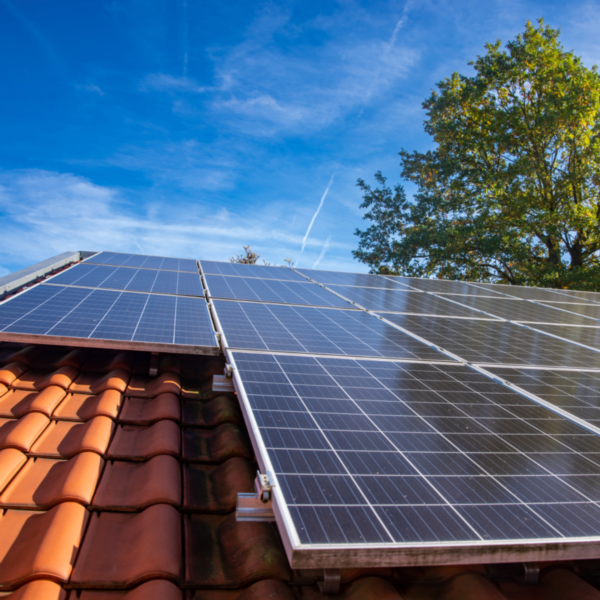
In 2025, a total of 269,000 solar installations were completed across the UK, the highest annual figure on record and a 37% increase on the previous year. Around 255,000 of these were rooftop solar, meaning at least 95% of all new solar was installed on homes, businesses and other buildings. This growth has been predominantly driven by private households, with around 169,000 installations completed last year, compared to only approximately 12,000 delivered across social housing.
The trend has continued into 2026. Figures from April 2026 show 23,000 new installations in a single month, with more than half installed on residential properties. This reflects a growing shift towards households generating their own energy in response to rising costs and improving energy resilience.
Rooftop solar is estimated to save households up to £480 a year, with the cost of acquiring and installing solar PV shown to have fallen by up to 9%. This has improved accessibility for privately-owned homes, as around 5.5% of UK homes are now fitted with rooftop solar, however the figure for council housing is estimated at around 0.7%. This rise in solar deployment also reflects continued government investment in clean energy, alongside policy commitments such as plans to ensure solar panels are fitted as standard as new homes in England.
Public sector organisations are also benefitting from these developments. Through Great British Energy’s solar scheme, a further 100 schools and colleges are set to receive rooftop solar installations this year, helping to reduce energy costs and improve long-term sustainability.
For local authorities, the growth in solar deployment highlights how renewable energy is becoming mainstream infrastructure. As councils plan estate upgrades, manage operational assets and oversee new housing developments, solar power is becoming increasingly positioned as a cost-effective solution. However, this data highlights a disparity in solar installations between private homeowners and social housing, leaving more vulnerable tenants at greater risk of fuel poverty as energy prices rise.
Promoting excellence in public services
APSE (Association for Public Service Excellence) is a not for profit unincorporated association working with over 300 councils throughout the UK. Promoting excellence in public services, APSE is the foremost specialist in local authority frontline services, hosting a network for frontline service providers in areas such as waste and refuse collection, parks and environmental services, cemeteries and crematorium, environmental health, leisure, school meals, cleaning, housing and building maintenance.
.png)


.png)


